
Sapotaceae
Pouteria alnifolia
Mguoguo
T
Not currently in the nursery
We can propagate most native species on request — get in touch to discuss timeline and quantity.
About
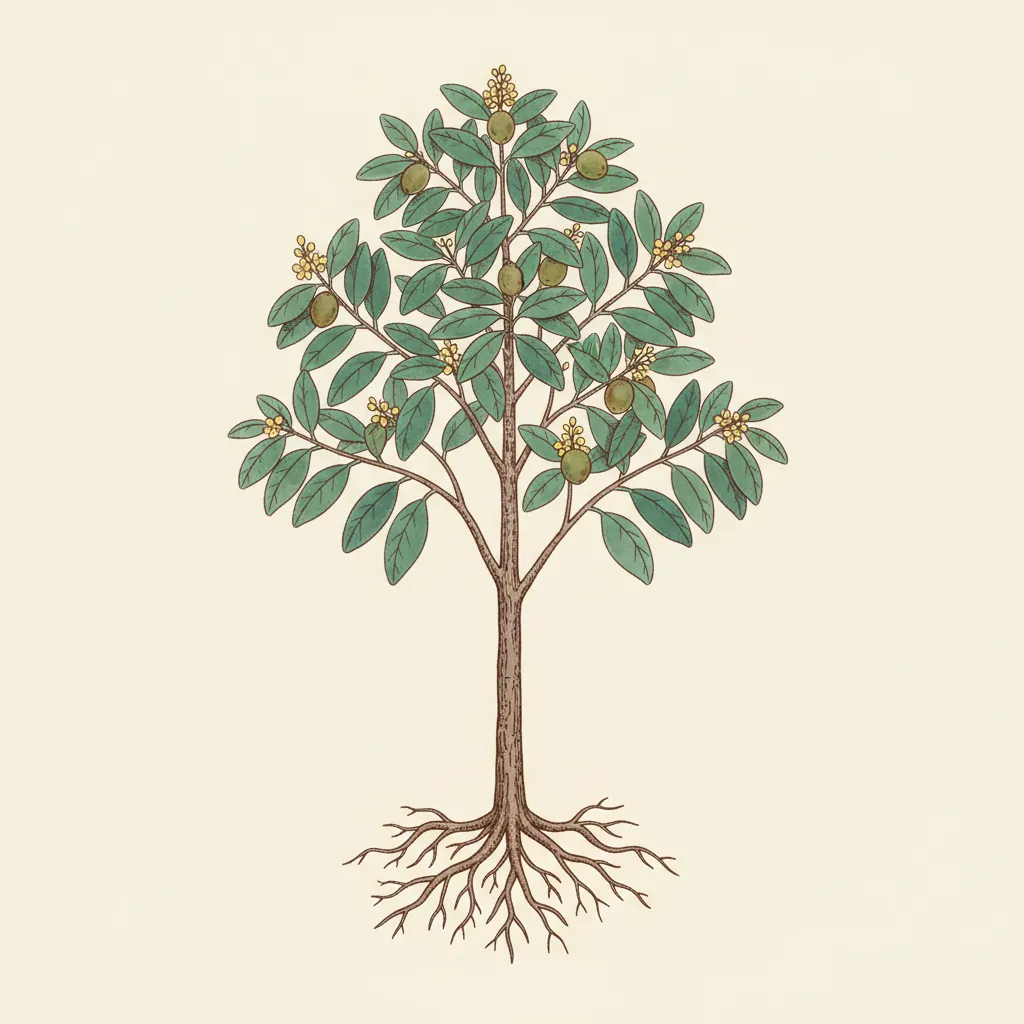
This deciduous tree can reach up to 25 metres tall, often featuring a twisted, fluted bole with small buttresses. Its leaves turn orange and red before falling, and it produces sweet, red, globose berries with edible pulp. Valued locally, it serves as a source of food, timber, and traditional medicine, growing in dry and gallery forests, often on rocky sites.
Where it works in Kilifi
Suitable for restoration plantings or as a shade tree in Kilifi, thriving in well-drained, fertile soils in full sun to partial shade. It requires moderate moisture, with care to avoid waterlogged conditions.
Growing notes
This tropical tree flourishes in warm, humid environments and grows best in well-drained, fertile soils. While it benefits from regular watering during dry spells, it is crucial to avoid waterlogging. Occasional trimming can help maintain its health and promote good air circulation.
Sources
Researched with web grounding from: theferns.info, prota4u.org, veliyathgarden.com, jstor.org. Please verify with local knowledge before relying on these notes.