
Sapindaceae
Lecaniodiscus fraxinifolius subsp. scassellatii
T
Not currently in the nursery
We can propagate most native species on request — get in touch to discuss timeline and quantity.
About
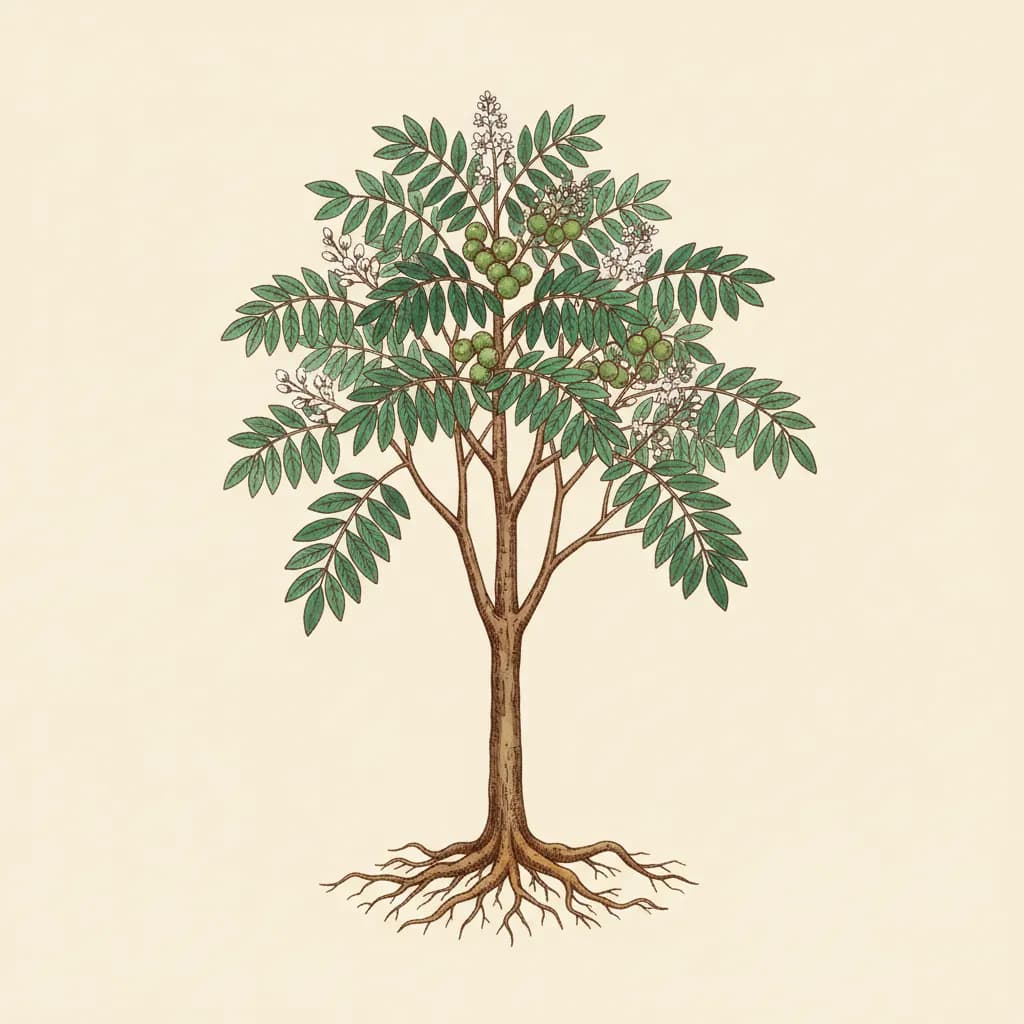
This leafy, variable tree typically grows 4-20 metres tall, developing fairly smooth, grey bark that becomes rough and scaly with age. Its compound leaves feature 3-7 pairs of thin, oval leaflets, which emerge orange-red before maturing to yellow-green. It produces small, yellow-green flowers in loose, spike-like clusters, with separate male and female trees. The fruit are ovoid, yellow-orange-pink capsules, approximately 1 cm long and covered in fine hairs, containing a single hard seed encased in an edible, bluish-white aril. The subspecies is native to Southern Somalia and Kenya.
Where it works in Kilifi
Primarily found along the Kenyan coast in forests, forest edges, and riverine woodlands, this tree thrives in well-drained, non-red soils. It is suitable for planting in shaded or semi-shaded areas in a Kilifi garden, serving as a shade tree or for local habitat restoration.
Growing notes
Seeds of this species germinate easily, allowing for propagation from seedlings or wildings. This tree is known for its very hard wood and longevity, potentially living for several hundred years. New leaves may occasionally host insect larvae with irritating hairs.
Sources
Researched with web grounding from: theferns.info, worldagroforestry.org, worldplants.de. Please verify with local knowledge before relying on these notes.