
Moraceae
Ficus lingua subsp. depauperata
T
Not currently in the nursery
We can propagate most native species on request — get in touch to discuss timeline and quantity.
About
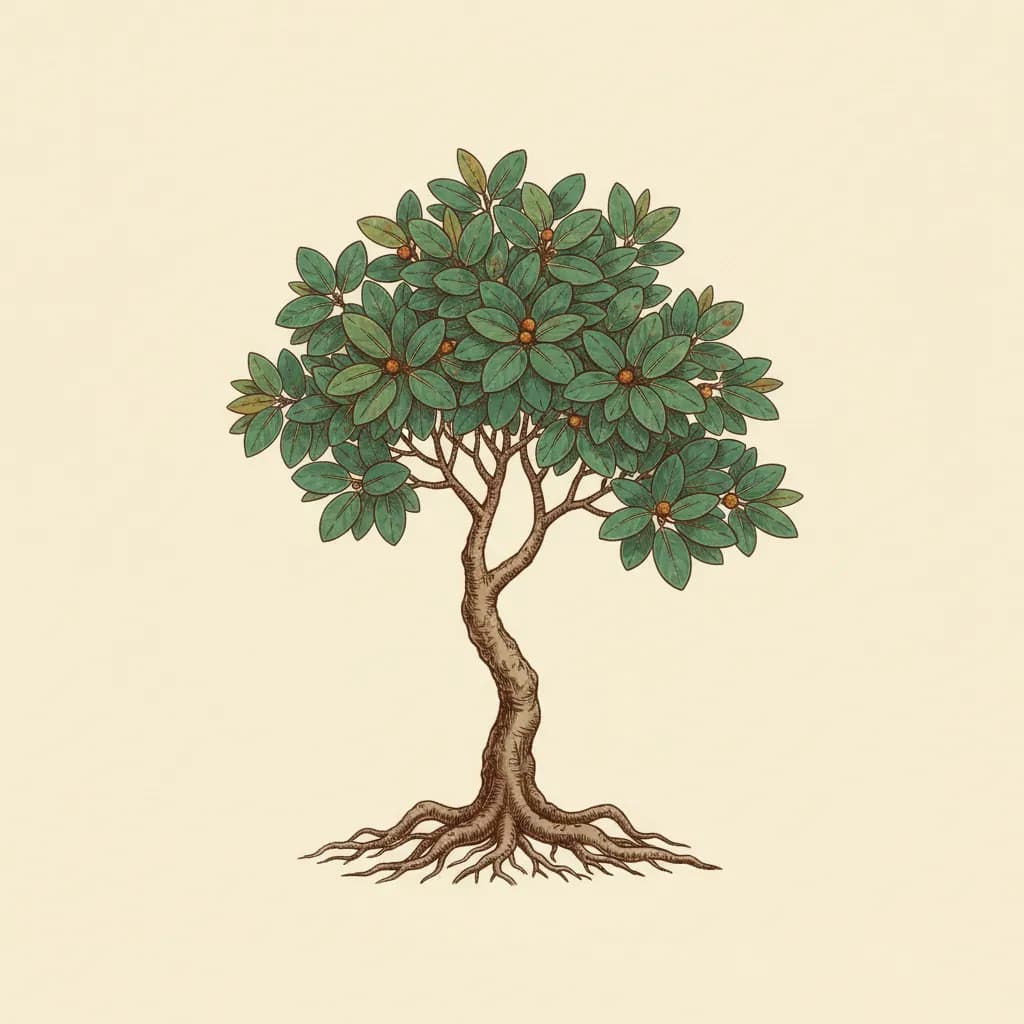
This small to medium-sized tree typically grows as a strangler, though it can also be found terrestrially or on rocks. It has smooth, pale creamy-grey bark and spirally arranged, hairless, oblanceolate leaves, measuring 2-6 cm long and bright to dark green above. The small, axillary fruits are usually in pairs, 4-7 mm in diameter, and ripen from yellow to orange or reddish.
Where it works in Kilifi
Ideal for coastal forest and low-altitude sand forest habitats, this species thrives in sun or partial shade in well-drained sandy soils, including coral outcrops. It can be a significant specimen tree for larger gardens or restoration areas, where its strangling habit can be accommodated.
Growing notes
This fig species requires high humidity and consistent warm temperatures, ideally around 18-20°C, and is sensitive to cold and sudden temperature changes. Once established, it benefits from moderate watering, with increased irrigation during dry seasons. Like other figs, it depends on a specific wasp species for pollination.
Sources
Researched with web grounding from: mozambiqueflora.com, malawiflora.com, theferns.info, infoagro.com, utan.my. Please verify with local knowledge before relying on these notes.