
Sapindaceae
Deinbollia borbonica
Soap berry · Mkunguma, Mndalamwaka
S
Not currently in the nursery
We can propagate most native species on request — get in touch to discuss timeline and quantity.
About
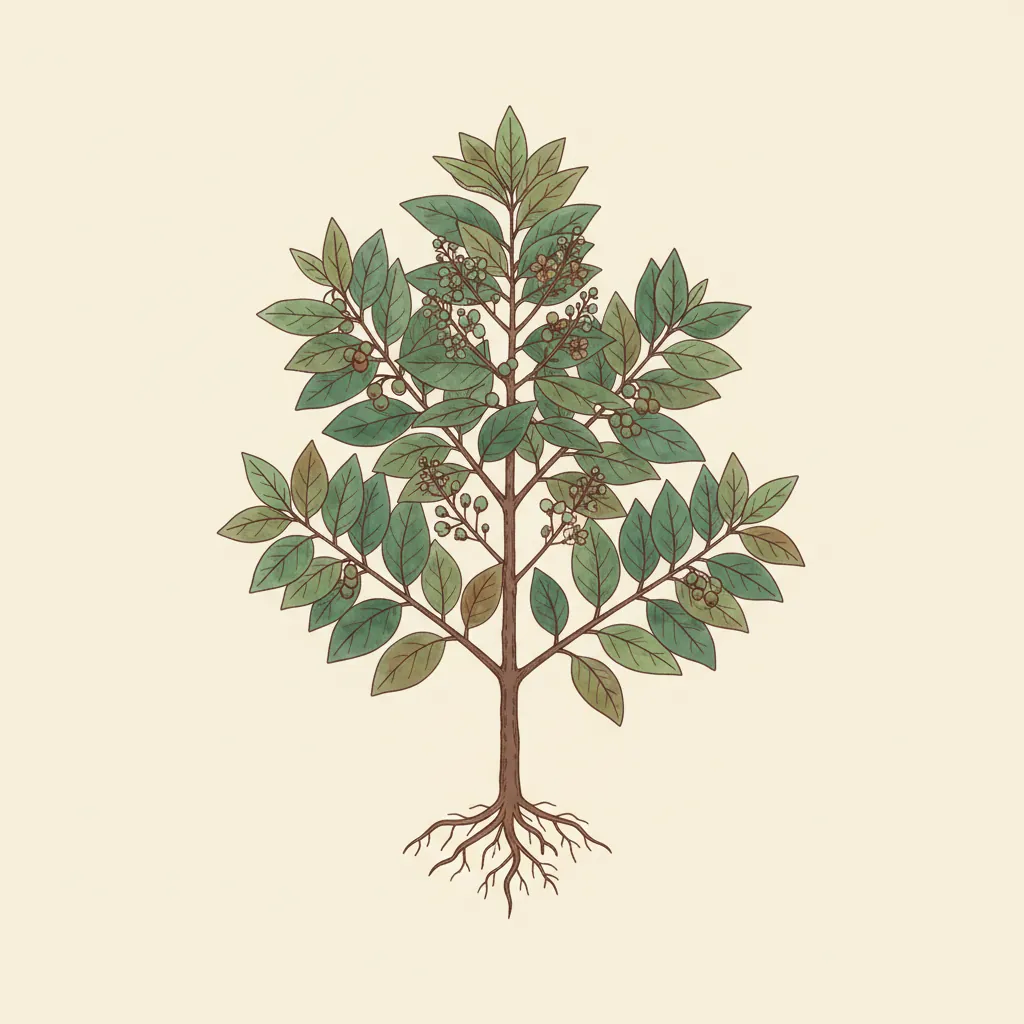
This indigenous shrub or small tree typically grows between 0.5 and 7 metres tall, often displaying a distinctive rosette of leaves at its crown. Its pinnate leaves, up to 20 cm long, feature 6-10 oblong-elliptic leaflets that are almost hairless above and sparsely hairy beneath. Small white flowers emerge in terminal or axillary inflorescences, giving way to ellipsoid fruits up to 1.8 cm long that ripen to yellow, white, red, or golden-brown berries with a white, mucilaginous flesh. The fruits are edible.
Where it works in Kilifi
Native to coastal thickets and low evergreen forests, this species thrives in Kilifi-coast gardens, especially in deep fertile soils. It serves as an excellent choice for wildlife attraction; its cream flowers draw various insects, and its edible yellow berries are a food source for monkeys and birds. This plant also acts as a host for several butterfly species.
Growing notes
Propagation is best achieved from seed, which should be thoroughly cleaned and sown promptly, ideally within a day of collection. Germination typically occurs within 2-3 weeks, benefiting from bottom heat or consistently warm ambient temperatures.
Sources
Researched with web grounding from: theferns.info, mozambiqueflora.com, jstor.org, researchgate.net, kilifigarden.info.ke, ethnopharmacologia.org. Please verify with local knowledge before relying on these notes.