
Cannabaceae
Celtis africana
White Stinkwood
Not currently in the nursery
We can propagate most native species on request — get in touch to discuss timeline and quantity.
About
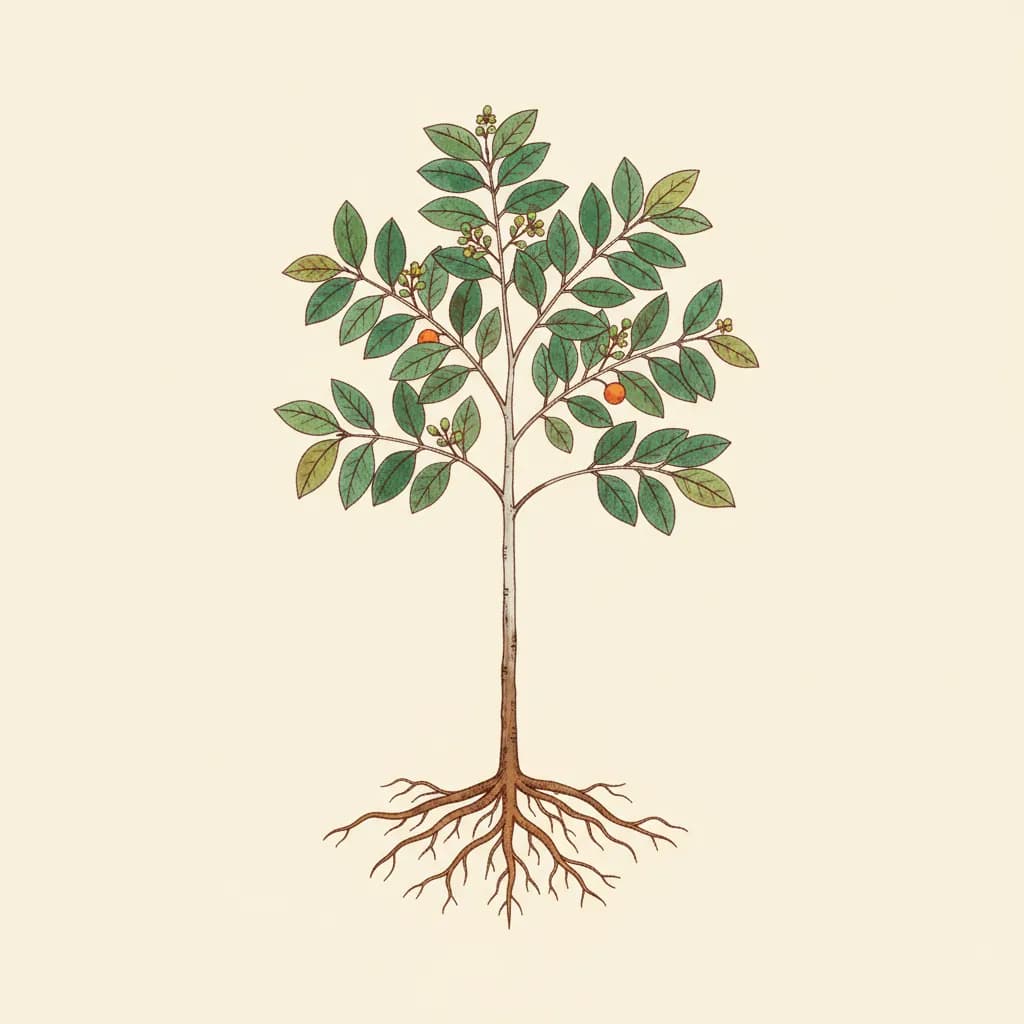
A deciduous tree, the White Stinkwood can reach up to 25 metres in height in forest conditions, but typically grows to about 12 metres in gardens. It is distinguished by its smooth, pale grey to white bark, which may develop horizontal ridges in older specimens. Its leaves are simple, alternate, and ovate with three prominent veins from the base, turning a lovely yellow in autumn. Small, inconspicuous greenish flowers are followed by masses of small, rounded, dark orange to black berry-like fruits that are a food source for birds and monkeys.
Where it works in Kilifi
This adaptable tree thrives along the Kilifi coast, performing well in full sun to partial shade and a range of soils, including sandy or even saline conditions, though it prefers deep, fertile, moist soil for optimal growth. It is an excellent choice for providing shade in large gardens, parks, and as a specimen tree, or for use in eco-restoration projects. Due to its potentially expansive root system and mature size, ensure ample spacing (at least 4-5 metres) from buildings, paving, and swimming pools.
Growing notes
White Stinkwood is a fast-growing species, achieving 1-2 metres of growth per year, and is relatively easy to cultivate. Once established, it demonstrates good drought resistance, but young trees benefit from regular watering, especially during the first two dry seasons. It can tolerate light frost and its deciduous nature allows winter sun to penetrate when planted on the northern or western side of structures.
Sources
Researched with web grounding from: sanbi.org, wikipedia.org, blogspot.com, justtrees.co.za, sabambu.co.za, worldagroforestry.org. Please verify with local knowledge before relying on these notes.