
Cassuarinaceae
Casuarina equisetifolia
Whistling Pine · Mvinje
T
Not currently in the nursery
We can propagate most native species on request — get in touch to discuss timeline and quantity.
About
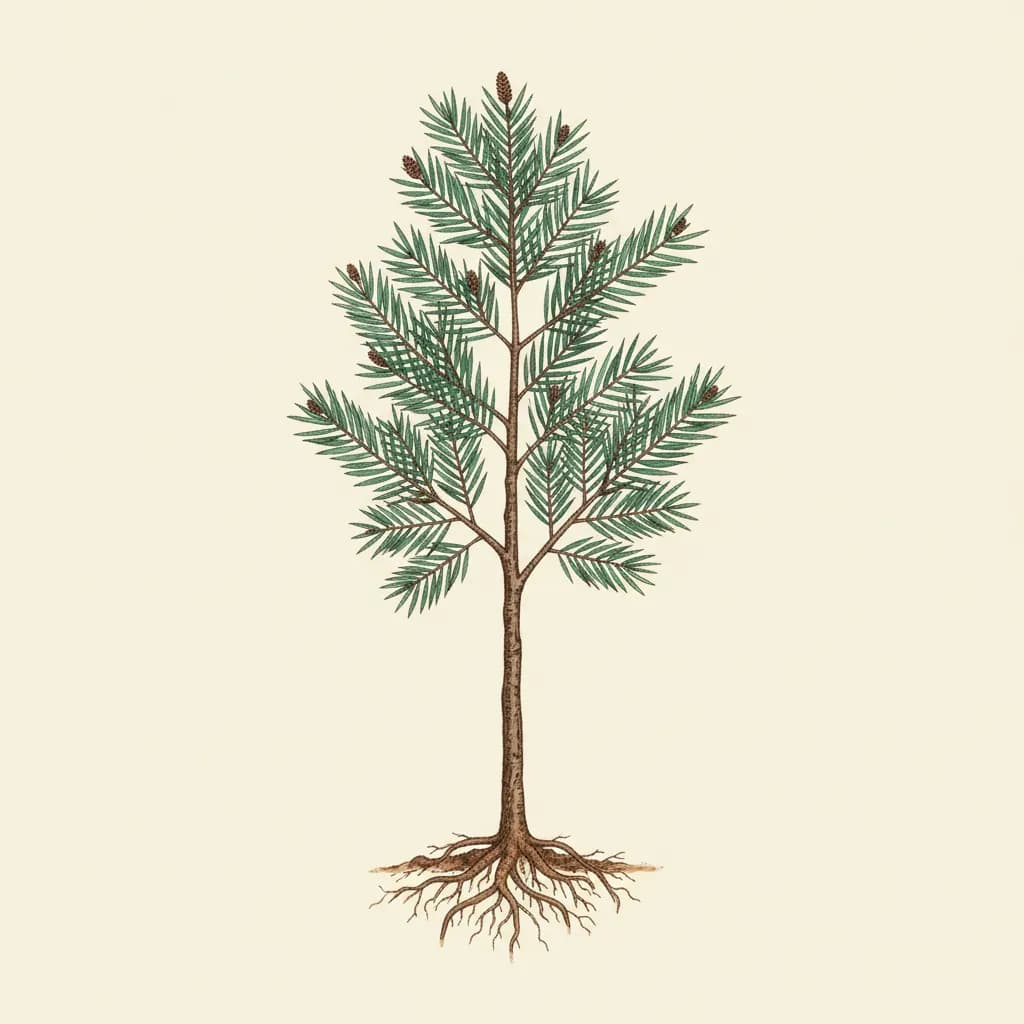
This evergreen tree is characterised by its slender, drooping branchlets that resemble pine needles, while its true leaves are reduced to tiny scales. Older bark is scaly or furrowed, greyish-brown to black. It produces inconspicuous, unisexual flowers and woody, cone-like fruits containing winged seeds. The tree is also a nitrogen-fixer, improving soil fertility.
Where it works in Kilifi
Ideal for coastal gardens in full sun, this tree thrives in sandy, saline, and nutrient-poor, well-drained soils, making it suitable for windbreaks and erosion control. It can be planted as a specimen tree, for shade, or screening, but requires ample space (at least 6 metres from other large plants) due to its mature size and potential invasiveness in disturbed areas. It is common along coral beaches and nearby hinterland in Kenya.
Growing notes
A fast-growing species, especially in its early years, reaching 1.5-2.5 metres annually. Once established, it is highly drought-tolerant, though young plants need regular watering for the first two to three years. It has low nutrient requirements due to its nitrogen-fixing capabilities but can be invasive in some regions, displacing native vegetation and having a shallow root system prone to wind damage.
Sources
Researched with web grounding from: pfaf.org, beyondforest.org, levypreserve.org, harvesttotable.com, wordpress.com, greenworld-nursery.com. Please verify with local knowledge before relying on these notes.