
Sapindaceae
Lecaniodiscus fraxinifolius
River Litchi · Mkunguma, Mbelenga
Canopy/Emergment Tree
1040 small available right now.
About
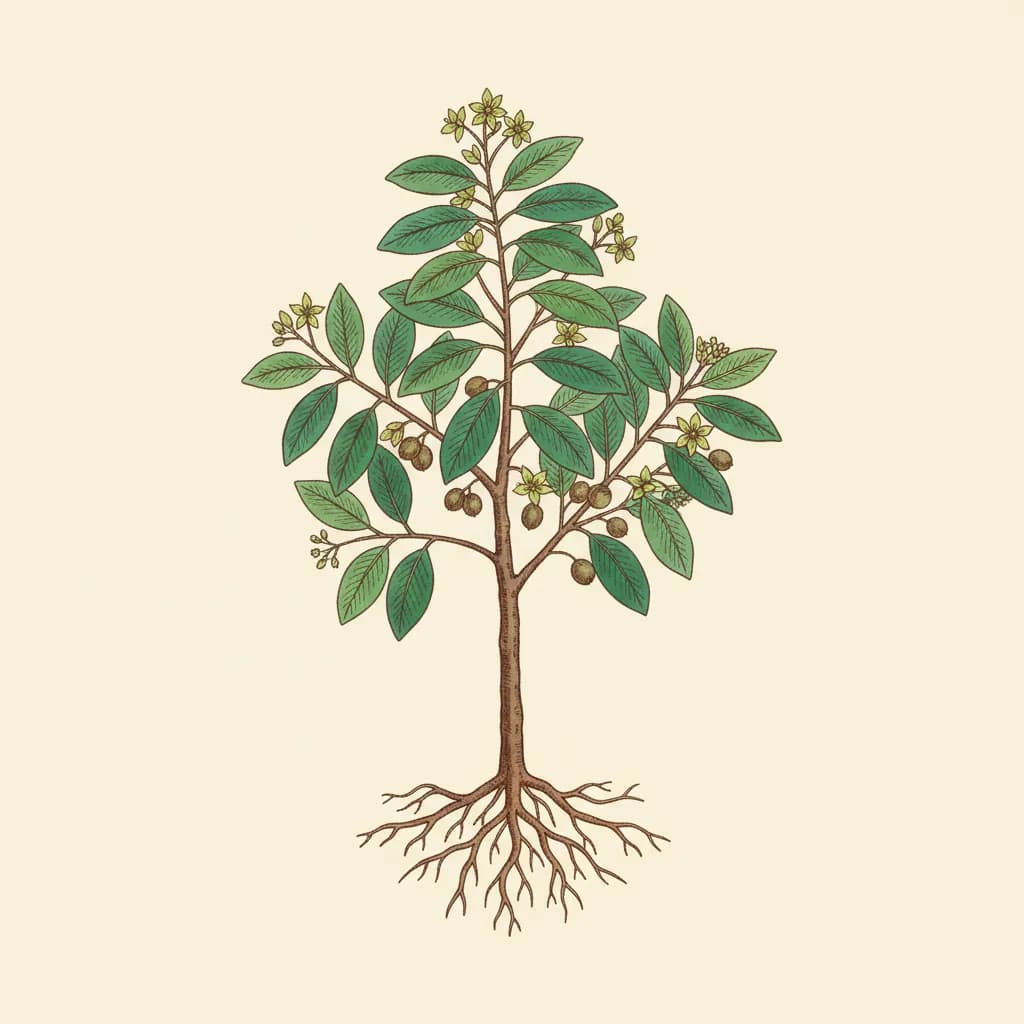
This densely leafy tree typically grows 4-20 metres tall, occasionally reaching up to 30 metres, with pale grey bark that becomes rougher with age. Its alternate, compound leaves bear 3-7 pairs of thin, oblong to elliptic leaflets, which emerge orange-red before turning yellow-green. Small, yellow-green flowers are borne on separate male and female trees, followed by ovoid, velvety, yellow, orange or pinkish fruits that split to reveal an edible, blue-white aril enclosing a hard seed. It is a known host plant for several butterfly species, including the Gold-banded Forester.
Where it works in Kilifi
Ideal for coastal Kilifi gardens and landscapes, this tree thrives in riverine fringes, forest edges, and disturbed areas. It serves well as a specimen tree or for shade, and can be incorporated into restoration projects. It does not seem to prefer red soil.
Growing notes
Seeds germinate easily; for best results, clean and sow seeds as soon as possible, ideally within a day, at warm ambient temperatures or with bottom heat. Once established, this species prefers moist conditions, reflecting its natural habitat in riverine forests. Be aware that emerging new leaves may occasionally host insect larvae with irritating hairs.
Sources
Researched with web grounding from: theferns.info, mozambiqueflora.com, worldagroforestry.org, kilifigarden.info.ke, jstor.org. Please verify with local knowledge before relying on these notes.